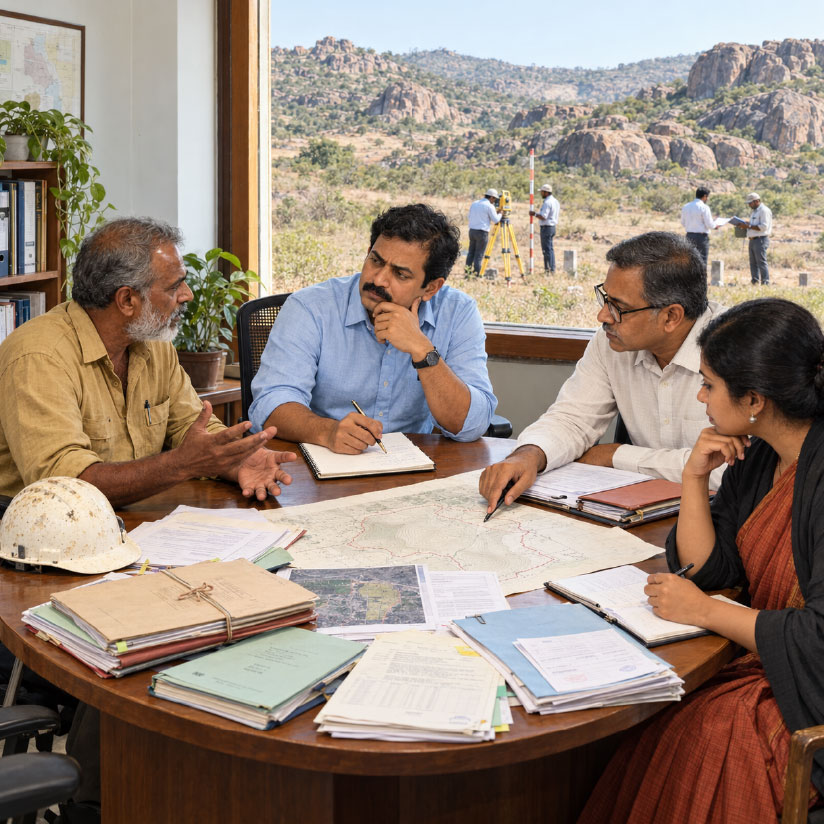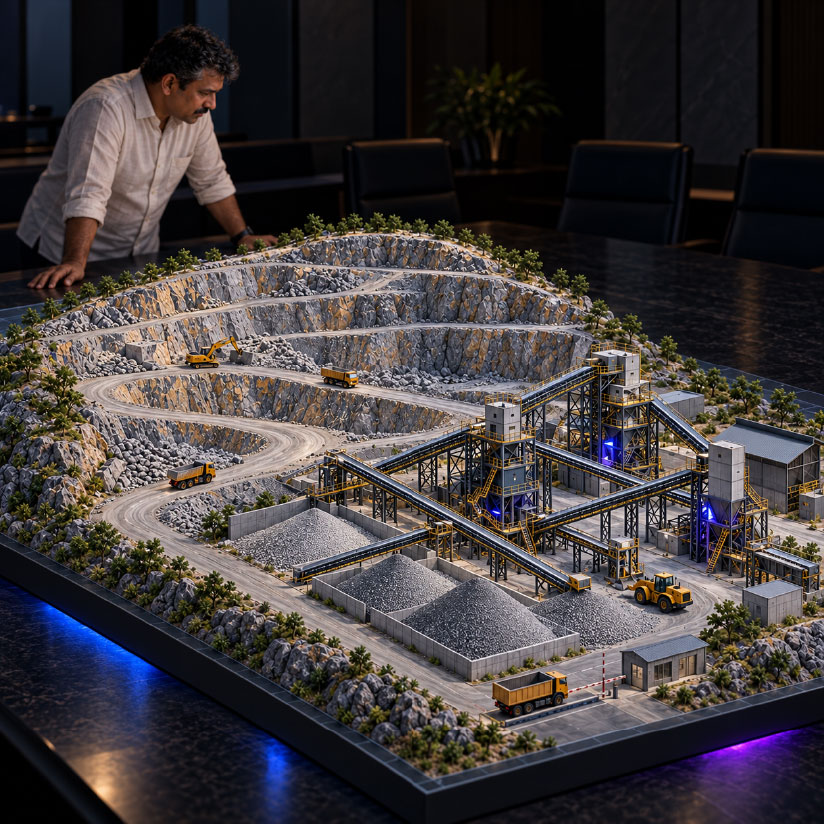

The owner's decision
Safety, environmental management and community commitments belong in normal production and maintenance, not in a separate binder. Competent supervision, safe traffic movement, dust control, drainage, equipment isolation, emergency response and worker training all need a plan. Just as important, the site needs to know who can stop an unsafe activity. When production pressure rises, the person responsible for safety must still have the authority to act.
Modomines ties these activities to work assignments, inspections, procurement, maintenance, incident follow-up and verified completion. Take spillage at a conveyor or on a road. It is an inventory question and a physical operating problem at once. When the team records its location and cause, the record leads to a repair, containment, safe recovery or a justified disposal decision.
“Preventing spillage protects the product and the people around it. A spill on a conveyor or a road is never only a stock loss. It is a hazard, a repair and a possible complaint, and tracing it to its cause is how the record becomes useful.”
— Super Administrator
The evidence needed
Good evidence comes from the site as it is today. That means current site conditions and orders, competent inspection reports, training and health-monitoring records where applicable, equipment checks, emergency exercises and laboratory results. It also means records of dust-control operation, water sources, drainage maintenance and complaints. A predicted impact in an EIA is not proof of satisfactory performance once operations begin.
The environmental proposals in the supplied material change considerably over time. The later presentation's environmental management plan for example (EMP) shows ₹35.25 lakh in capital expenditure and ₹30.04 lakh in first-year recurring expenditure, a different structure from earlier budgets. These are proposed allocations, not verified spending or final obligations. An owner should budget from the accepted commitments and current costs, and take care not to count the same salary or maintenance item twice.
The cost of getting it wrong
The consequences are easy to list and hard to absorb: injury, disrupted production, damaged equipment, contaminated products, cleanup costs, claims and lost community trust. Weak records add a quieter risk. Fictitious completion records can divert money, because a maintenance or environmental job can be marked done while the physical problem remains. A photograph with no date, location or verification is poor evidence that anything was corrected for good.
Modomines links each reported issue to the authorised job, the materials used, the completion check and the performance that follows. Recurring incidents deserve a proper review, not the same task closed again and again. Complaints and responses should be preserved, including commitments made during public consultation, and allegations should stay distinct from established findings. Sensitive personal and health information needs protection throughout.
The applicable state variation
Start with the actual EC and consent conditions, the local siting and access requirements, and the monitoring duties and authority that apply to the site. Central guidance sits alongside state requirements and site-specific conditions. CPCB addresses dust controls and crusher consent. Current mine-safety instruments should be verified through DGMS. Regional rules can add further obligations. The official August 2026 NCR announcement is one example, not a nationwide rule.
The records that support control
The backbone is an obligation register that links every condition or commitment to its source, owner, deadline, budget, evidence and verification. Around it sit incident and corrective-action records, inspections, contractor competence, maintenance links, waste movements, monitoring and grievance closure. Rehabilitation and closure commitments need tracking too, and they matter most while the operation is still earning revenue.